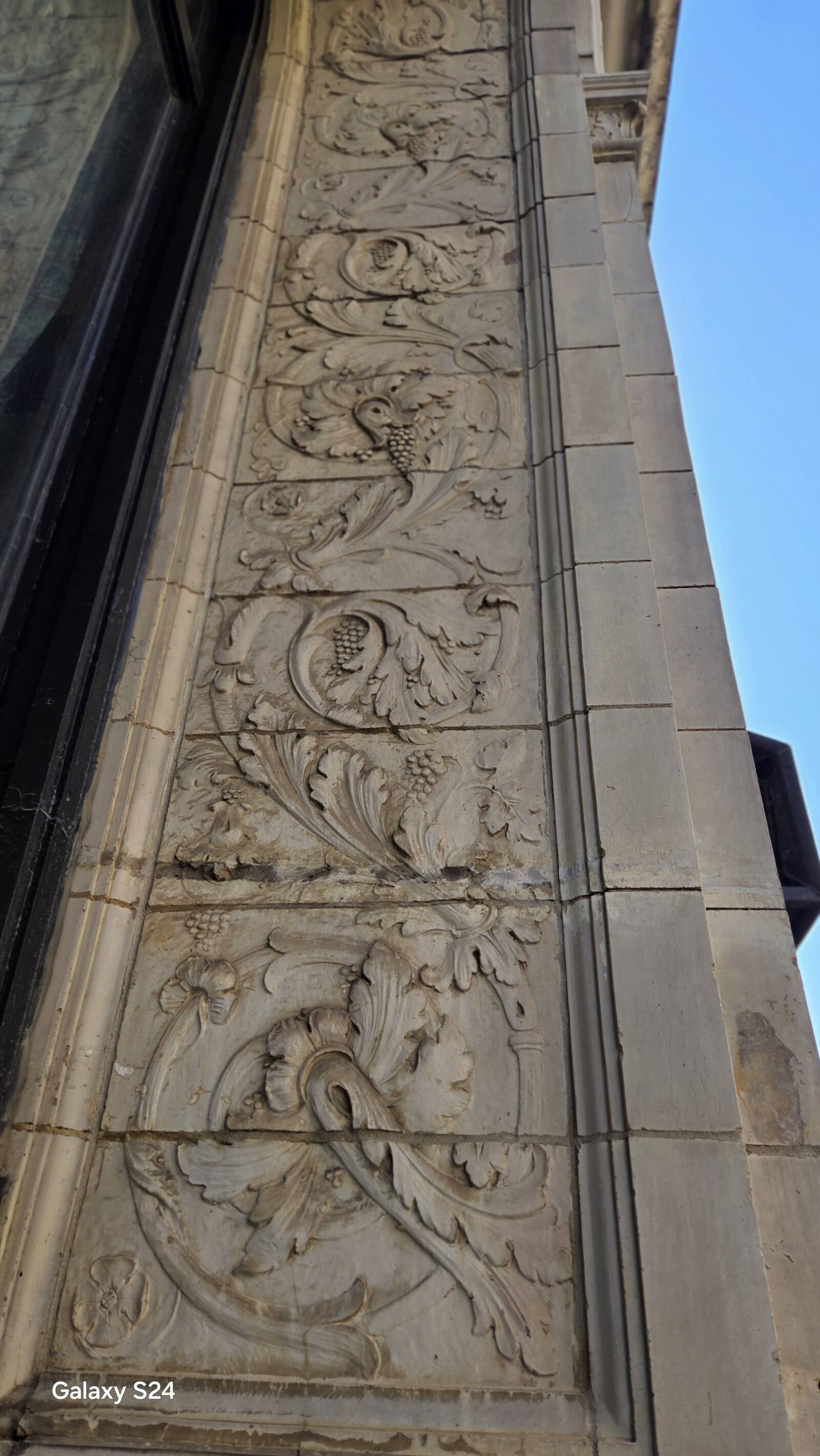
If you own a historic brick building in Omaha, whether it's a home in an older neighborhood or a storefront with decades of history, the masonry needs different care than a newer building. Older brick was set with lime mortar, not the modern Portland cement blend most contractors reach for by default, and using the wrong repair method can damage the brick faster than the weather does.
Why Historic Brick Buildings Need a Different Approach
Brick itself is durable. What fails first is almost always the mortar between the joints. In buildings built before the mid-1900s, that mortar is typically a lime-based mix that is softer and more flexible than what gets used in new construction today. Lime mortar is designed to be the sacrificial layer. It wears down over decades so the brick doesn't have to, and it flexes slightly with temperature swings instead of cracking.
The problem shows up when a well-meaning repair uses modern Portland cement mortar instead. Portland cement is harder than the historic brick itself, which reverses the relationship the building was designed around. Instead of the mortar wearing first, moisture gets trapped behind the hard cement joint and the brick face starts to spall, crack, and crumble. We see this constantly in Omaha's older brick neighborhoods and on commercial buildings that got a quick repair years ago with the wrong material.
Common Problems We See in Omaha's Older Brick Buildings
A few issues show up again and again on historic masonry across the city:
- Spalling brick faces, where the surface of the brick flakes or pops off, usually a sign that trapped moisture has nowhere to escape.
- Crumbling or missing mortar joints, which let water into the wall cavity and accelerate every other problem on this list.
- Cracked or bowing walls, often from decades of freeze-thaw cycling working on a joint that was never repointed.
- Mismatched patch repairs from a previous contractor who used the wrong mortar color or hardness, which stands out and can actively be making things worse.
Omaha's winters make all of these worse. Water gets into a hairline crack, freezes, expands, and widens the crack. Repeat that cycle for a few winters on an already-compromised joint and small problems turn into real structural questions.
Repointing With the Right Mortar
Repointing means removing the damaged mortar to a consistent depth and replacing it with new mortar that matches the original in composition, color, and joint profile. On a historic building, that means going back to a lime-based mix rather than defaulting to Portland cement. Matching the mortar isn't just about matching photos. It comes down to getting the mix right so the new joint behaves the way the original one did, wearing gradually instead of trapping moisture against the brick.
Color and texture matter too, especially on a visible storefront or a home in a neighborhood where the brickwork is part of the character of the block. A joint that doesn't match stands out immediately, and once you notice one bad repair patch on a building, you tend to notice the rest.
When Repair Isn't Enough
Repointing solves a mortar problem. It doesn't fix a brick that has already spalled badly or a wall that has started to bow outward. Those situations usually mean sections of brick need to be carefully removed and rebuilt, matching the original coursing and, where possible, salvaging and reusing sound brick from the same wall. This is slower and more deliberate work than a straightforward repoint, and it's worth having someone look at the wall in person rather than guessing from a description or a photo, since the right fix depends on how deep the damage actually goes.
Storefronts and Commercial Buildings: What's Different
A commercial storefront carries extra considerations beyond a residential wall. Storefronts often have decorative brick detailing, cornices, or parapet walls that take more direct weather exposure than a typical home. They're also more visible, which means a mismatched repair or an unaddressed crack is something every customer walking by will notice. Building owners in Omaha's older commercial districts are often balancing preserving the original character of the building with making sure the masonry is actually sound, and those two goals usually point toward the same answer: repair it the way it was originally built, not the fastest way available.
What to Expect When You Call a Mason
A good first step is a walk-through of the building to look at the mortar joints, check for spalling or cracking, and get a sense of how far the damage has spread. From there, the plan usually separates into what needs repointing now, what can wait, and whether any sections need brick replacement rather than just new mortar. We've earned recognition for this kind of work, including being named Best Concrete, Masonry and Brick Installation by the Omaha World-Herald, and historic brick restoration is some of the most detail-driven work we do.
Frequently Asked Questions
How do I know if my historic brick building needs repointing?
Look for mortar joints that are crumbling, missing, or noticeably recessed from the brick face. If you can scratch out mortar easily with a key or a screwdriver, that joint has failed. Cracks running through the mortar rather than the brick are also a clear sign it's time for repointing.
Can I use regular mortar to repair an old brick building?
Not if the building was built with lime mortar, which is common in older Omaha construction. Modern Portland cement mortar is harder than the historic brick and traps moisture against it, which tends to accelerate spalling and cracking rather than solve it.
Does repointing damage the original brick?
Done correctly, no. The old mortar is removed to a consistent depth without cutting into the surrounding brick, and the new mortar is matched to the original in composition and color. Done with the wrong tools or the wrong mix, it absolutely can, which is why the removal method matters as much as the new mortar.
How long does historic mortar typically last before it needs attention?
It varies widely based on exposure, original workmanship, and past repairs, often several decades on a wall that was built and maintained correctly. Buildings with a history of Portland cement patch repairs tend to show problems much sooner, since the mismatched material speeds up the damage.
Do storefronts need different care than a home's brick walls?
The underlying masonry principles are the same, but storefronts often have more decorative brickwork, parapets, and cornices that take more direct weather exposure. They're also more visible to the public, so matching the mortar and brick correctly matters even more for the building's appearance.
Let's Take a Look at Your Building
If you're seeing cracked mortar, spalling brick, or a patch repair that never quite matched on a historic home or a commercial storefront, it's worth having someone experienced with older masonry take a look before the damage spreads further. We handle historic restoration and brick repair across Omaha's older neighborhoods, including tuckpointing work matched to the original mortar. You can see examples of our past work on our photos page, or if you're ready to talk about your building, reach out to us and we'll set up a time to take a look.